Buying Acreage in North Idaho: 12 Things to Know Before You Buy
Five acres. A shop. Some trees. Maybe enough room for chickens, horses, a garden, or simply enough space that you can't see directly into your neighbor's kitchen.
For a lot of people moving to North Idaho, that's the dream.
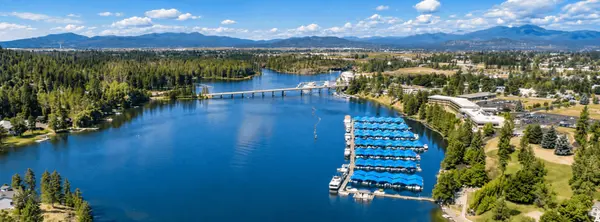
And there are plenty of incredible acreage properties around Coeur d’Alene, Hayden, Rathdrum, Athol, Spirit Lake, Sandpoint and the surrounding areas.
But buying acreage in North Idaho is very different from buying a home in a traditional neighborhood.
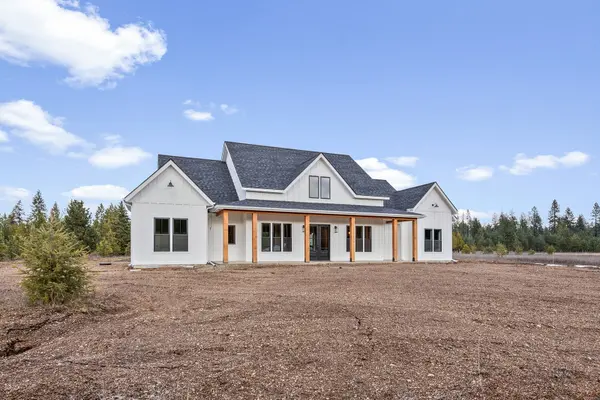
When you're looking at a house in town, much of your due diligence revolves around the house itself. With acreage, you're buying the house and the land, water source, wastewater system, access, utilities and everything that comes with maintaining the property.
I've walked enough acreage with buyers to know that the prettiest five acres isn't necessarily the best five acres.
Here are 12 things I'd want you to investigate before buying acreage in North Idaho.
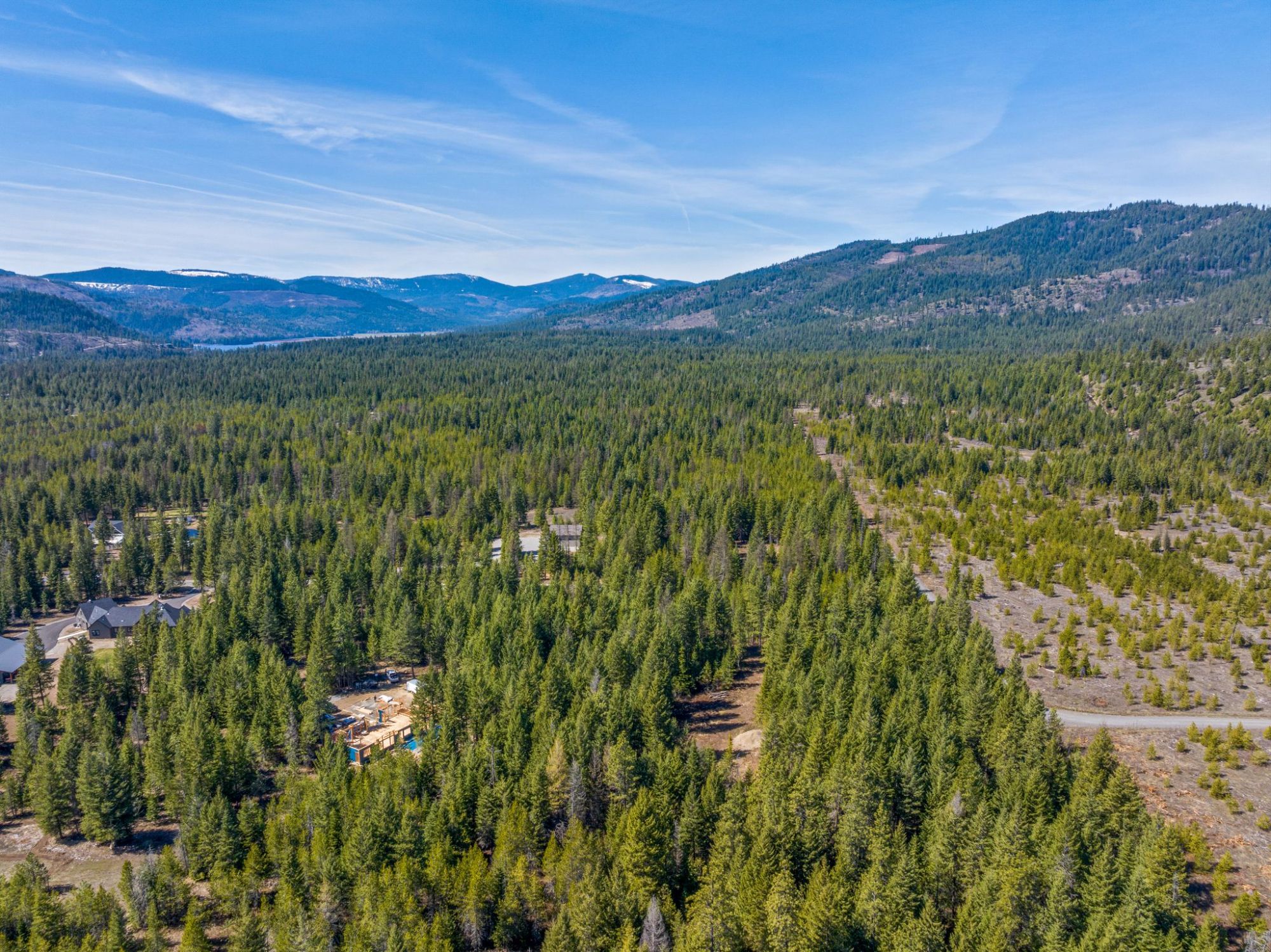
1. Don't Judge Acreage by the Number
Five acres sounds like five acres.
Until you walk it.
One property might have five mostly level, usable acres with a shop, pasture and easy access.
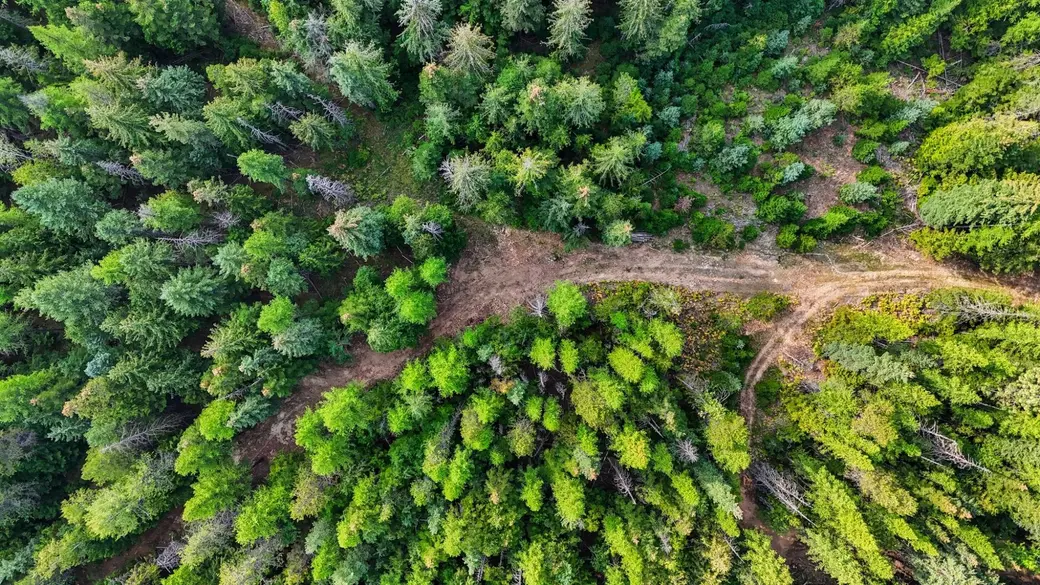
Another might technically have five acres but include steep terrain, wetlands, heavy timber, rock or other features that significantly reduce how much of the property you can actually use.
Twenty acres can have the same problem.
When you're comparing acreage properties, don't just ask:
"How many acres is it?"
Ask:
"How much of the acreage is actually usable for what I want to do?"
If your goal is horses, a shop, an additional structure, gardening or simply having open space, that distinction matters.
2. Understand the Well Before You Buy
Many North Idaho acreage properties rely on private wells rather than municipal water.
That means the property effectively comes with its own water system—and you need to understand it.
I want to know things like:
How deep is the well?
When was it drilled?
What is the reported production?
Is there a well log?
Has the water been tested?
Is the well shared with another property?
Are there storage tanks or additional equipment?
Has the seller experienced any water-supply issues?
A well producing water today doesn't automatically tell you everything you need to know about its history, quality or ability to support your intended use.
Private well owners are also generally responsible for the safety of their own drinking water, so water-quality testing is an important part of investigating an acreage property.
3. A Well and a Water Right Aren't the Same Thing
This one gets confusing quickly.
Having a well on a property and having a recorded water right are not necessarily the same thing.
Idaho water law establishes specific rules regarding how water can be used, and certain domestic uses may qualify for an exemption from the traditional water-right permitting process.
Those rules have also changed recently, including updates that became effective in 2026.
So if you're planning to do more than simply use water inside the home—especially if you're thinking about substantial irrigation, livestock, multiple residences, development or another significant use—don't make assumptions based solely on the existence of a well.
Investigate what rights or exemptions apply to that specific property and your intended use.
And if an existing water right is represented as transferring with the property, verify the actual documentation.
4. Understand the Septic System
If the property isn't connected to public sewer, there's a good chance it has an onsite septic system.
I want to know:
Where is the tank?
Where is the drain field?
How old is the system?
What size was it designed for?
Are permits or records available?
When was it last pumped?
Has it been inspected?
Is there a reserve drain-field area?
Does your future plan for the property interfere with any part of the system?
That last question is especially important.
The perfect location for your future 40×60 shop isn't so perfect if that's where your septic system or replacement area needs to be.
If you're buying vacant land, septic feasibility should be investigated before assuming you'll be able to build exactly what you have in mind.
5. Verify What You Can Actually Build
Acreage does not automatically mean you can do whatever you want with the property.
Before buying, investigate the property's zoning and applicable land-use restrictions.
Depending on the parcel and jurisdiction, you'll want to determine whether your plans could allow
for things like:
A shop.
Accessory dwelling unit.
Second home.
Guest house.
Barn.
Animals or livestock.
Home-based business.
Short-term rental.
Future parcel division.
Additional driveway or access.
Don't buy property based on what someone tells you "should be allowed."
Verify it.
This becomes even more important if part of your reason for buying acreage is what you hope to do with it five or ten years from now.
6. Road Access Matters More Than You Think
That beautiful winding private road through the trees can feel magical in July.
Ask me how it's maintained in January.
For rural North Idaho property, determine whether the road is publicly or privately maintained.
If it's private, I want to know:
Who maintains it?
Is there a recorded road-maintenance agreement?
How are expenses divided?
Who plows snow?
Are there easements?
Is the road accessible year-round?
What condition is it in?
Could emergency vehicles reasonably access the property?
And don't stop at the main road.
Look at the driveway too.
A steep driveway might not bother you during a summer showing. Add six inches of snow and suddenly you may feel differently.
7. Check Utilities Before You Fall in Love With Vacant Land
This is especially important if you're buying acreage with plans to build.
Power being "nearby" doesn't necessarily mean bringing power to your homesite will be inexpensive.
You need to investigate what utilities are actually available and what it may cost to connect them.
That can include:
Electricity.
Natural gas or propane.
Internet.
Phone service.
Well.
Septic.
Community water.
Public water or sewer where available.
Connection fees can matter, too.
If there's no existing well, I also recommend getting information about nearby wells and talking with qualified local well professionals about the potential cost and feasibility of drilling.
Land price is only one part of your total project cost.
A less expensive parcel with difficult site work and expensive utilities can ultimately cost considerably more than a higher-priced parcel that's easier to develop.
8. Internet and Cell Service Are Not Guaranteed
If you work from home, don't skip this.
North Idaho has rural areas where internet and cellular coverage can vary dramatically from one property to another.
Don't rely solely on an online coverage map.
Find out what service currently exists at the property, what providers are available and what speeds the current owners actually experience.
And while you're physically at the property?
Pull out your phone.
Check it.
A peaceful home in the woods becomes a lot less charming when you discover your Zoom meetings only work from one corner of the driveway.
9. Look at the Property in Terms of Fire Risk
Living among North Idaho's trees is beautiful.
Those trees also require management.
When evaluating a wooded acreage property, pay attention to vegetation around the home, driveway access, slope, tree density and the overall condition of the land.
You may want to understand what vegetation management or defensible-space work has already been completed and what you'll need to maintain.
Insurance is another reason to investigate this before closing.
Don't wait until the end of the transaction to determine whether the property is insurable at a cost you're comfortable with.
10. Understand What Maintaining Acreage Actually Involves
Acreage gives you privacy.
It also gives you chores.
Depending on the property, that might mean maintaining:
A long driveway.
Private roads.
Trees.
Pastures.
Fencing.
Gates.
Outbuildings.
Snow removal equipment.
Wells.
Septic systems.
Generators.
Irrigation.
Drainage.
And potentially animals.
None of this means acreage is a bad idea.
For the right buyer, it's exactly why they moved here.
But I want buyers to understand the lifestyle they're purchasing along with the property.
There's a big difference between wanting five acres and wanting to maintain five acres.
11. Outbuildings Deserve Their Own Inspection
One of the biggest reasons buyers look for North Idaho acreage?
The shop.
And I understand why.
Space for boats, RVs, equipment, hobbies, storage and toys can completely change how functional a property is.
But don't get so excited about a 40×60 shop that you forget to investigate it.
Look at whether structures were permitted when required, electrical service, heating, insulation, roof condition, drainage, concrete, doors and overall construction.
If there's plumbing or a bathroom in an outbuilding, investigate that too.
A shop adds tremendous value to the right acreage property—but only if it actually works for what you need.
12. Think About the Property in Every Season
This may be the most North Idaho-specific advice I can give you.
Try to imagine the property in January.
Where does snow go?
Who plows the driveway?
How steep is the access?
Which direction does the home face?
Are there heavily shaded areas where ice could linger?
What happens during spring runoff?
Are there drainage issues?
What does a heavily treed property feel like when the days are shorter?
A property can look completely different depending on the season.
That's one reason local knowledge matters so much when you're shopping for rural property here.
Buying Vacant Acreage to Build? Do Even More Homework.
If you're buying land instead of an existing acreage home, your due diligence becomes even more important.
Before deciding a parcel is "perfect," you'll want to investigate the complete path from vacant land to finished home.
That can include zoning, setbacks, access, easements, topography, septic feasibility, water, power, site preparation, excavation, driveway construction, drainage and your intended home placement.
If you're planning a custom home, I prefer approaching the land and build as one financial decision.
For example, a gorgeous inexpensive parcel that requires significant excavation, a long driveway, expensive power installation and a difficult well may not actually be the affordable option.
This is also why I like involving builders and other qualified professionals earlier in the process when appropriate—not after you've already purchased the land.
Should You Buy an Existing Acreage Home or Build?
There isn't one right answer.
An existing acreage home gives you the advantage of being able to inspect much of what already exists: the home, well, septic, driveway, shop and other improvements.
Building gives you more control over the house and how it sits on the property, but it also introduces additional variables and costs.
If you already know you want something very specific—a certain home design, large shop, particular acreage configuration or privacy level—building may be worth exploring.
If you primarily want the acreage lifestyle and you're flexible on the house, an existing property can sometimes simplify the process considerably.
Where Can You Find Acreage Near Coeur d’Alene?
You don't necessarily need to drive hours away from Coeur d’Alene to find land.
Depending on your budget and goals, acreage opportunities can be found throughout areas surrounding:
Rathdrum — One of the areas I frequently look at for buyers wanting acreage while remaining relatively close to Coeur d’Alene and Post Falls.
Athol — Popular with buyers looking for larger parcels, shops, newer acreage communities and custom homes.
Hayden and Hayden outskirts — Opportunities vary, but buyers can sometimes find more space while remaining close to town.
Spirit Lake — Worth exploring for buyers who are comfortable being farther north and want a more rural environment.
Post Falls outskirts — Can make sense for someone wanting additional space while maintaining access to Coeur d’Alene and the Washington border.
Sandpoint and surrounding Bonner County — Opens another range of rural, mountain and acreage properties farther north.
The best area depends less on which town is "best" and more on how you actually plan to use the property.
My Acreage Property Checklist
When I'm looking at North Idaho acreage with a buyer, these are some of the questions running through my head:
What's the water source?
Where's the well log?
What do we know about production and water quality?
Are there water rights?
What's the septic situation?
How much of the acreage is usable?
What's the zoning?
Are there easements?
Who maintains the road?
Who plows it?
How steep is the driveway?
What utilities are available?
What's the internet situation?
Where would a future shop go?
Could the buyer's intended use conflict with the septic system, setbacks or another restriction?
Are the outbuildings permitted where required?
What does this property look like in winter?
What is going to cost money here that isn't obvious during a 30-minute showing?
Because buying acreage isn't just about finding a beautiful property.
It's about understanding exactly what you're buying.
Thinking About Buying Acreage in North Idaho?
If your North Idaho wish list includes five acres, a shop, room for animals, a custom build or simply more privacy, I'd start with the lifestyle you want and work backward from there.
You may discover that you need five acres.
You may discover that you actually need ten.
Or you may realize that two highly usable acres with the right shop, access and location fit your lifestyle better than twenty acres you can't use.
That's the part I love helping buyers figure out.
If you're considering acreage around Coeur d’Alene, Hayden, Post Falls, Rathdrum, Athol, Spirit Lake, Sandpoint or the surrounding North Idaho communities, download my North Idaho Acreage Buyer's Guide or reach out and tell me what you're looking for.
We'll start with how you want to live—and find the property that actually supports it.
Helping you find more than home.
Categories
Recent Posts